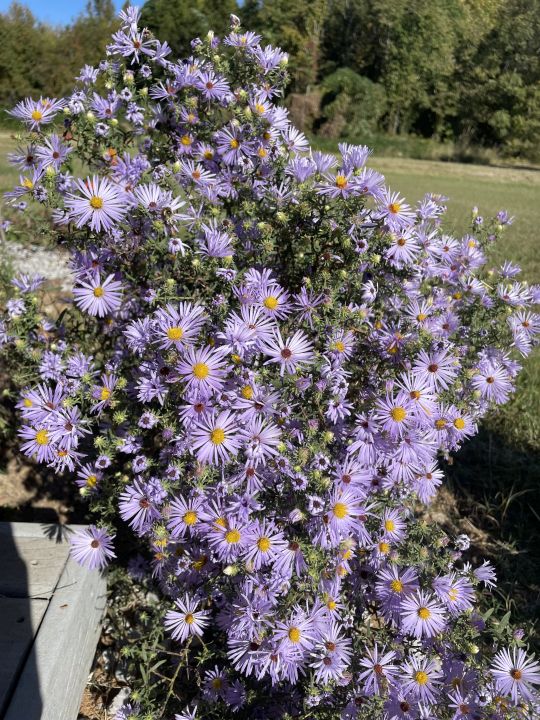
Tubby Creek Farm’s Annual Native Plant Sale is Saturday April 9th at the Cooper Young Community Farmers Market from 8am-12noon. We will have about 50 species of native plants available.
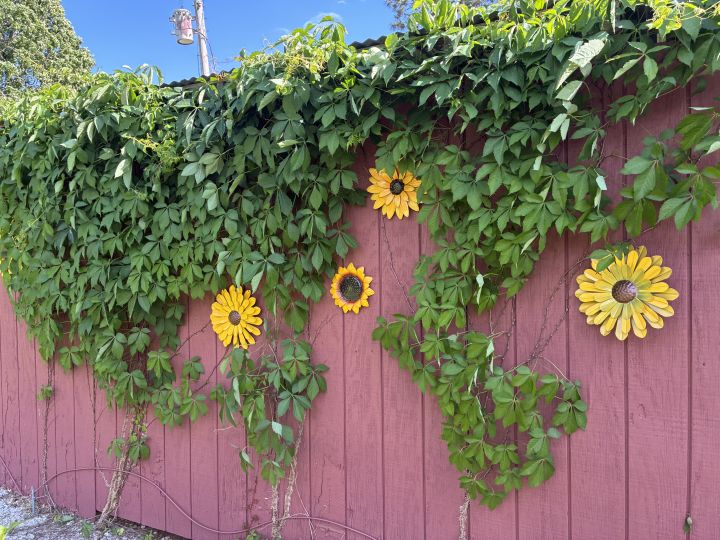
You can browse our selection and place an order on the website to pick up at the market Saturday or on the farm by appointment. Pre-orders close Wednesday(May 6) at midnight. I wont be able to bring all of our stock to the plant sale (I’m going to try to bring some of everything) so the best way to guarantee that you get what you want is to order in advance. All of our native plants are grown using the same Certified Naturally Grown methods we use when growing vegetables. They are free of pesticides and safe for wildlife.
Why native plants?
Native plants are a wonderful addition to the garden or landscape. Native plants support native wildlife. They provide food for all sorts of birds, insects, and other invertebrates in the form of nectar, pollen, foliage, and seeds. They provide habitat and nesting materials for birds and insects like native bees. They perform ecological functions including soil stabilization and rainwater infiltration. Many are extremely drought tolerant. Because
they are adapted to local and regional conditions, native plants require little or no care when paired with the right site. Perennial wildflowers, grasses, vines and shrubs will come grow year after year. Our native annuals and biennials readily reseed themselves. Whether you are creating a pocket prairie, beefing up a naturalized area, or tucking a few plants into a more formal landscape, we can help you find the right native plants for your situation. Wet or dry, sun or shade, tall or short, there’s a native plant for that!
Local Ecotypes
We have several plants that have been propagated from populations found here on the farm or nearby in Mississippi and Tennessee. Many native plants have extensive native ranges, often
stretching up and down the east coast and from the gulf to the mid west. Plant material sourced nearby should be better adapted to our local climate and soils than the same species from hundreds of miles away. The following species are local ecotypes.
- Bidens aristosa (Bearded beggarticks)
- Chasmanthium latifolium (River Oats)
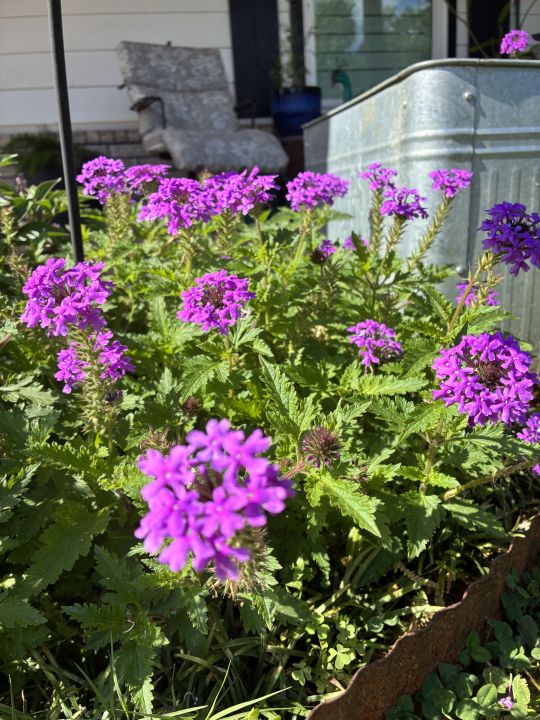
- Glandularia canadensis (Rose Verbena)
- Hypericum punctatum (Spotted St. John’s Wort)
- Packera anonyma (Small’s Ragwort)
- Parthenocissus quinquefolia (Virginia Creeper)
- Sabatia angularis (Rosepinks)
- Salvia lyrata (Lyre Leaf Sage)
- Sambucus canadensis (Elderberry)
- Vernonia gigantea (Giant Ironweed)
- Hibiscus lasiocarpus (Woolly Rose Mallow) ** coming soon
- Passiflora incarnata (Purple Passion flower) ** coming soon
- Lonicera sempervirens (Coral honeysuckle) ** coming soon
- Cornus florida (Flowering dogwood) ** coming soon
- Rosa carolina (Carolina rose) ** coming soon
When wild sources aren’t available, we love sourcing seed from local populations of native plants that have been planted here and are thriving. Many of these we save from plants we are growing on the farm like Penstemon digitalis (Foxglove beardstongue), Liatris pycnostachya (Blazing Star), and Eryngium yuccafolium (Rattlesnake Master). In fact that largest proportion of our plants come from seeds, divisions, or cuttings of existing plantings on our farm. We also purchase seeds from regional and national native seed suppliers.


You must be logged in to post a comment.